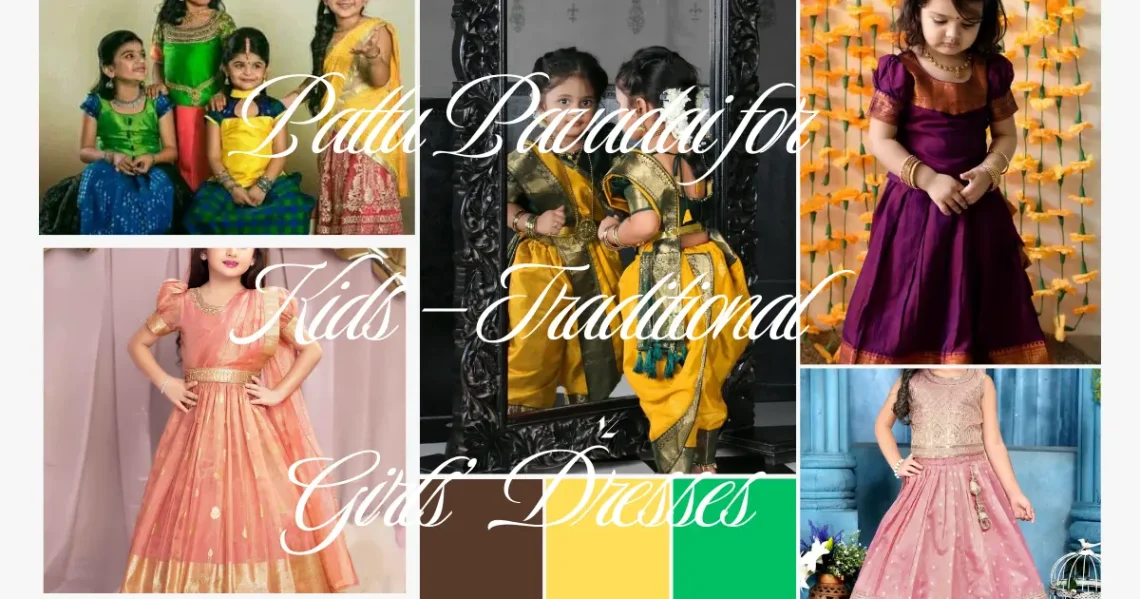

Introduction to Pattu Pavadai for Kids
Pattu Pavadai for kids is more than just a piece of clothing—it’s a reflection of culture, tradition, and festivity. Originating from South India, this attire has been a staple in young girls’ wardrobes for generations. The charm of a Pattu Pavadai lies in its simplicity combined with elegance. A typical outfit consists of a long silk skirt paired with a matching blouse, often complemented by a dupatta or scarf. What makes it special for children is the vibrant colors, playful patterns, and the soft, comfortable silk that allows them to move freely while still looking festive.
Parents often choose Pattu Pavadai for important occasions like festivals, weddings, and cultural ceremonies because it embodies tradition in a way that’s stylish yet age-appropriate. Beyond aesthetics, it gives kids a sense of connection to their heritage. Seeing little girls twirling in their silk skirts at celebrations is a sight that brings joy to family gatherings.
The trend of Pattu Pavadai has also evolved over time. While it maintains its traditional roots, designers now experiment with lighter fabrics, modern patterns, and even fusion styles that appeal to contemporary tastes. Despite these changes, the essence remains the same—comfort, beauty, and cultural significance. For many families, introducing children to Pattu Pavadai is a gentle way of instilling pride in their roots while letting them enjoy the fun of dressing up.
Types of Pattu Pavadai for Kids
When it comes to Pattu Pavadai, variety is the name of the game. There isn’t a one-size-fits-all approach because the options are endless. Traditionally, Pattu Pavadai comes in bold, bright colors with rich silk and gold or silver zari work. These are perfect for grand occasions like weddings or festivals. Over time, more playful versions have emerged—lightweight silks, pastel shades, and modern prints that appeal to kids’ tastes without compromising on cultural elegance.
Some designs focus on embroidery and embellishments, making the outfit look regal and festive. Others are simpler, intended for casual family gatherings or smaller celebrations. Seasonal considerations also matter—cooler, breathable fabrics are preferred during hot months, while heavier, ornate versions suit winter festivities.
Parents now enjoy the flexibility of picking something that matches their child’s personality. For instance, a girl who loves twirling might appreciate a skirt with a flared silhouette, while another who prefers comfort may go for a straight-cut style. The evolution of Pattu Pavadai ensures that every child can have a version that feels unique, fun, and culturally significant, making it more than just an outfit—it’s an experience of celebration and identity.
Choosing the Right Pattu Pavadai
Selecting the right Pattu Pavadai for a child isn’t just about picking a pretty color or design; it requires thought and consideration. Kids need clothing that balances comfort and style, which can sometimes be tricky with silk fabrics. Proper sizing is critical—too tight, and it becomes uncomfortable; too loose, and it might not sit right, affecting the overall look.
Fabric choice matters a lot. Some silks are soft and breathable, perfect for energetic kids, while others are more decorative but stiff, suitable for short events. Patterns and embellishments should also be age-appropriate; intricate zari work might look stunning but could irritate delicate skin if not lined properly. Parents often weigh practicality against aesthetics, trying to find a version that’s wearable, washable, and visually appealing.
The right Pattu Pavadai can also enhance a child’s confidence. When a girl feels comfortable and looks beautiful, she naturally enjoys wearing it more. Considering accessories and footwear while choosing the outfit can simplify styling later, saving time and reducing stress for parents. In short, picking a Pattu Pavadai is about creating a balance of comfort, cultural authenticity, and joyful expression.
Styling Tips for Kids
Styling Pattu Pavadai for kids is where tradition meets creativity. Accessories can make a simple outfit look festive and memorable. Jewelry like tiny gold bangles, earrings, or hair adornments can complement the silk outfit beautifully, giving a little girl a regal look without overwhelming her.
Hair styling is another consideration. Braids, buns, or simple flowing hair with clips can add charm. Footwear choices should prioritize comfort; soft sandals or ballet flats are ideal for young children, allowing them to move freely while keeping the look traditional.
Parents often find that certain styling tricks make the outfit easier for kids to manage. For instance, tying the dupatta lightly ensures it doesn’t slip during play, and using soft underlayers prevents irritation from heavy silk. These little tips help children enjoy the outfit without fuss, making occasions more joyful and stress-free.
Caring for Pattu Pavadai
Silk is delicate, and Pattu Pavadai requires thoughtful care. Washing methods matter—gentle hand-wash with mild detergents is often recommended. Avoid harsh scrubbing or machine washing as it can damage the fabric and embellishments. Drying in shade preserves color vibrancy and prevents fading.
Proper storage extends the outfit’s life. Folding carefully, placing it in breathable covers, and avoiding tight spaces keeps the silk smooth and shiny. For outfits with heavy embroidery or zari, using tissue paper between folds prevents snagging. Handling with clean hands and storing away from direct sunlight or moisture ensures that the outfit remains ready for special occasions.
With a bit of attention, Pattu Pavadai can last for years, sometimes becoming a family heirloom passed down to younger siblings. Teaching children simple habits like careful handling and gentle wearing also instills respect for their traditional attire.
Where to Buy Pattu Pavadai for Kids
Finding the perfect Pattu Pavadai is easier today than ever. Online stores offer a wide range of designs, colors, and sizes, allowing parents to compare and choose from the comfort of home. Many sites also provide customization options for unique embroidery or color combinations.
Local boutiques and traditional shops are ideal for those who prefer seeing and feeling the fabric before purchase. These stores often carry handwoven silks and designs that reflect local craftsmanship, adding authenticity to the outfit. Custom-made options are also popular for parents who want something perfectly tailored for their child’s measurements and preferences.
Regardless of where you buy, checking reviews, fabric quality, and ease of maintenance can help in making a thoughtful choice. A well-selected Pattu Pavadai isn’t just a dress; it’s a cherished piece that brings joy, pride, and tradition into a child’s wardrobe.
Popular Colors and Patterns
Pattu Pavadai for kids comes in an array of colors and patterns, making it fun for both parents and children to explore. Bright reds, royal blues, deep purples, and sunny yellows are traditional favorites for festive occasions. These shades not only stand out in gatherings but also reflect the rich cultural heritage of South India. Children often love bold colors because they feel cheerful and energetic, matching the excitement of celebrations.
On the other hand, pastel shades like soft pinks, lavender, and mint green are increasingly popular for casual events or daytime functions. These softer hues give a delicate, graceful look and are easier to mix and match with accessories. Patterns play an equally important role. Intricate embroidery, gold or silver zari work, floral motifs, and geometric prints add uniqueness to each outfit. Some modern designs even combine traditional weaving techniques with contemporary prints, making the attire versatile for different occasions.
Choosing the right color and pattern can also reflect a child’s personality. A vibrant red might highlight a lively, confident girl, whereas pastel pink could complement a shy, gentle child. Parents can involve their kids in the selection process, allowing them to express their preferences while staying rooted in tradition. Ultimately, the colors and patterns of Pattu Pavadai make it more than just a dress—they create memories, highlight cultural beauty, and let little girls shine in their own style.Accessories to Pair with Pattu Pavadai
Accessories to Pair with Pattu Pavadai
Accessories are the finishing touch that can make a Pattu Pavadai outfit look complete. Jewelry plays a big role here—tiny gold or silver earrings, bangles, and necklaces designed for kids add sparkle without being overwhelming. Simple pearl or floral accessories are also great for young children who prefer minimalistic styles.
Hair accessories enhance the outfit even further. Decorative clips, bows, or small floral garlands can complement the silk fabric, giving the child a polished look. Braided hairstyles, buns with ribbons, or neatly tied ponytails often pair beautifully with Pattu Pavadai, making hair management easier during events.
Footwear is another important aspect. Soft sandals, embellished flats, or traditional juttis ensure that kids can move around comfortably without compromising the traditional aesthetic. Parents often consider durability and comfort, especially if the child will be active at the event.
Other accessories, like small matching clutches or tiny handbags, can complete the ensemble for special occasions. These elements not only add to the outfit’s charm but also give children a sense of pride and excitement when dressing up. When accessories are carefully chosen, they enhance both comfort and style, allowing the child to enjoy the event without fuss.
H3: Occasions to Wear Pattu Pavadai
Pattu Pavadai is a versatile outfit that fits a wide variety of occasions, making it a wardrobe staple for many families. Festivals are one of the most common reasons kids wear Pattu Pavadai. Celebrations like Diwali, Pongal, Navratri, and other cultural events often call for bright, festive silk attire. Children not only look festive but also feel involved in the traditions.
Weddings and family functions are another popular occasion. The elegance of silk, paired with traditional embroidery, ensures that children look charming yet age-appropriate. These outfits help kids feel special and part of the celebrations, while also giving parents peace of mind that the attire is suitable for the event’s formality.
Cultural programs or school events often require traditional clothing as well. Dance performances, skits, and other stage appearances benefit from the bright colors and graceful movement offered by a Pattu Pavadai. Comfortable and lightweight versions are preferred in such cases, allowing kids to perform without restriction.
Even casual family gatherings can be occasions to wear simpler, lighter versions. These outfits introduce children to tradition in a relaxed setting, helping them become familiar with cultural attire while keeping comfort in mind. Overall, the adaptability of Pattu Pavadai makes it suitable for almost every special moment in a child’s life.
DIY and Customization Ideas
One of the exciting aspects of Pattu Pavadai is the opportunity to personalize it according to your child’s style and personality. Many parents and guardians enjoy adding small DIY touches that make the outfit unique and memorable. For instance, simple embellishments like sequins, beads, or small embroidered patches can transform a plain silk skirt into something festive and eye-catching. Even a tiny embroidered motif reflecting a child’s favorite flower or character adds a playful charm.
Custom stitching is another way to achieve the perfect fit. Off-the-rack sizes sometimes don’t align perfectly with a child’s measurements, so tailoring ensures comfort and proper movement. Adjusting the length of the skirt or the sleeve style of the blouse can make a huge difference in comfort, especially for active children.
Mix-and-match is also becoming popular. Pairing a traditional Pattu Pavadai skirt with a slightly modern blouse or vice versa creates a fusion look that’s trendy yet rooted in tradition. Parents can experiment with dupatta styles, belts, or even detachable embellishments that let the outfit evolve for multiple occasions.
DIY and customization not only make the attire special but also give children a sense of involvement. When they see that their outfit has elements chosen or designed by them or their family, it enhances their excitement and pride in wearing it. This approach encourages creativity while keeping cultural aesthetics intact.
In short, DIY and customization make Pattu Pavadai more than just clothing—they turn it into a personal expression of style, tradition, and joy for kids, while also providing practical benefits like comfort and adaptability for different occasions.
Benefits of Pattu Pavadai for Kids
Pattu Pavadai offers a unique blend of style, comfort, and cultural significance, making it a preferred choice for children. One of the main benefits is comfort. Despite being made of silk, the outfits are designed to allow free movement, letting kids play, dance, or twirl with ease during events. Lightweight and breathable fabrics make them suitable for long occasions, ensuring children remain comfortable throughout.
Another key benefit is the connection to culture and heritage. Wearing traditional attire like Pattu Pavadai helps children understand and appreciate their roots from a young age. Participating in festivals, weddings, and cultural events in traditional clothing instills pride and strengthens family bonds. Kids learn to value customs while enjoying the festive atmosphere.
Confidence is another positive outcome. A well-fitted, beautifully designed Pattu Pavadai can make a child feel special and stylish. This boost in self-esteem is especially noticeable when they receive compliments from family and friends. Children enjoy expressing themselves through vibrant colors, patterns, and accessories, all while staying age-appropriate.
Pattu Pavadai also teaches practical lessons in caring for delicate fabrics. Kids learn to handle clothes gently, fold them carefully, and maintain embellishments, which are small but valuable life skills.
Overall, Pattu Pavadai balances aesthetics, comfort, cultural significance, and life lessons, making it more than just a traditional outfit—it’s an experience that brings joy, pride, and learning into a child’s life.
What is Pattu Pavadai?
Pattu Pavadai is a traditional South Indian outfit designed for young girls, typically comprising a silk skirt and a matching blouse. The term “Pattu” refers to silk, while “Pavadai” means skirt, so the outfit literally translates to “silk skirt.” It’s a staple attire for festivals, weddings, and other cultural occasions, embodying both elegance and tradition.
What makes Pattu Pavadai special is its combination of simplicity and sophistication. Unlike modern dresses that prioritize trends over culture, a Pattu Pavadai remains deeply rooted in heritage. The skirt is usually long and flowing, allowing for graceful movement, while the blouse is tailored to fit comfortably without restricting activity. The outfit is often paired with a dupatta or scarf, which adds an extra touch of festivity and elegance.
For children, Pattu Pavadai is not just clothing—it’s an introduction to cultural heritage. Little girls wearing these outfits often feel a sense of pride, especially during family celebrations or temple visits. Vibrant colors, shimmering silk, and decorative borders make the attire visually appealing while keeping it age-appropriate.
Parents also appreciate the practical aspects. Modern Pattu Pavadai designs now come in lightweight silks and blends that are comfortable, breathable, and easy to manage, allowing children to enjoy the occasion without fuss. Accessories like tiny bangles, hair clips, and soft footwear complete the look effortlessly.
In essence, Pattu Pavadai is a beautiful blend of tradition, style, and comfort. It introduces children to South Indian cultural attire, allowing them to participate in family rituals and celebrations proudly. Each outfit tells a story, combining artistry, heritage, and child-friendly design into one elegant package.
Importance in Indian Culture
Pattu Pavadai holds significant cultural importance in India, especially in South Indian traditions. Wearing silk outfits has historically been associated with auspiciousness and celebration. Festivals, religious ceremonies, and weddings often feature children dressed in Pattu Pavadai, symbolizing purity, joy, and familial pride.
The outfit is not merely decorative; it carries deep-rooted meaning. Silk, or “Pattu,” has always been considered a luxurious and sacred fabric in Indian culture. Dressing children in silk during significant events reflects respect for tradition and an effort to involve them in cultural practices from a young age. Families see this as a way to pass down heritage while nurturing a sense of belonging.
Pattu Pavadai also plays a role in community identity. During festivals and temple visits, seeing young girls in matching traditional attire creates a sense of harmony and shared cultural pride. Parents often recount memories of their own childhood outfits, creating intergenerational connections.
Moreover, the attire encourages children to learn about customs, rituals, and the significance of festivals. Wearing a Pattu Pavadai during a temple visit or a wedding instills a subtle awareness of tradition, teaching kids the value of cultural participation. In this way, the outfit is not just clothing but a gentle educational tool, helping children appreciate and respect their heritage.
Overall, Pattu Pavadai is culturally rich, aesthetically beautiful, and emotionally significant. It preserves traditions while making children feel included, confident, and celebrated.
Why it’s Popular for Children
Pattu Pavadai’s popularity among children stems from a mix of cultural, aesthetic, and practical reasons. First, its vibrant colors and playful designs appeal directly to young girls. Unlike plain or muted clothing, Pattu Pavadai comes in bright shades like pink, red, blue, and green, often decorated with zari borders or floral patterns that make kids excited to wear them.
Comfort is another reason. Modern designs prioritize soft silk blends and breathable fabrics that allow children to move freely during events. Twirling in a flowing silk skirt or wearing a neatly fitted blouse feels both fun and elegant, making the outfit suitable for long hours at weddings, festivals, or family functions.
Parents also favor Pattu Pavadai because it introduces children to cultural attire in a subtle, age-appropriate way. Kids learn about traditional clothing without feeling restricted or uncomfortable. Pairing these outfits with small accessories, such as bangles or hair clips, adds to the excitement of dressing up.
The outfit’s adaptability contributes to its popularity as well. From casual family gatherings to grand festivals, there’s a Pattu Pavadai for every occasion. It also photographs beautifully, making memories more vivid and cherished.
Ultimately, the combination of comfort, style, cultural significance, and joy makes Pattu Pavadai a beloved choice for children. It allows them to feel part of family traditions, celebrate special moments, and enjoy dressing up, creating lifelong memories in the process.
Conclusion
Pattu Pavadai for kids is more than just traditional attire; it’s a celebration of culture, style, and childhood joy. From vibrant colors and intricate patterns to comfortable fabrics and thoughtful designs, it allows little girls to look festive while feeling confident. Wearing Pattu Pavadai helps children connect with their heritage, participate in family traditions, and create lasting memories during festivals, weddings, and cultural events.
The beauty of Pattu Pavadai lies in its versatility. Parents can choose from traditional, modern, or customized designs that match their child’s personality and comfort needs. Accessories, hairstyles, and footwear further enhance the overall look, turning each occasion into a delightful experience. Caring for the outfit properly ensures longevity, sometimes even allowing it to become a treasured heirloom.
Introducing children to Pattu Pavadai instills an appreciation for tradition, creativity, and self-expression. Beyond aesthetics, it teaches practical skills like handling delicate fabrics and maintaining clothing with care. In essence, Pattu Pavadai nurtures confidence, cultural awareness, and joy, making it a timeless and cherished choice in every child’s wardrobe.
FAQs
Q1: What age group is Pattu Pavadai suitable for?
A: Pattu Pavadai is suitable for girls of all ages, from toddlers to pre-teens. Modern designs and sizes are available to ensure a comfortable fit for each age group.
Q2: How do I choose the right size for my child?
A: Measure your child’s waist, chest, and height accurately, and compare these with the sizing chart provided by the retailer. It’s better to select a slightly adjustable or custom-fit option for comfort.
Q3: Can Pattu Pavadai be worn for casual occasions?
A: Yes! While it’s often used for festivals and weddings, lighter silk or cotton-blend Pattu Pavadai is perfect for casual family gatherings, school events, or cultural programs.
Q4: How should I care for my child’s Pattu Pavadai?
A: Hand-wash or use gentle machine cycles with mild detergent. Avoid direct sunlight while drying and store in breathable garment bags. Fold carefully to protect embroidery and embellishments.
Q5: Can Pattu Pavadai be customized?
A: Absolutely. Many boutiques and online stores offer custom embroidery, color, and size options, allowing you to tailor the outfit to your child’s preferences and comfort.
Q6: What accessories pair best with Pattu Pavadai?
A: Small jewelry sets like bangles and earrings, hair clips or bows, soft sandals, and small clutches or handbags complement the outfit beautifully while keeping comfort in mind.