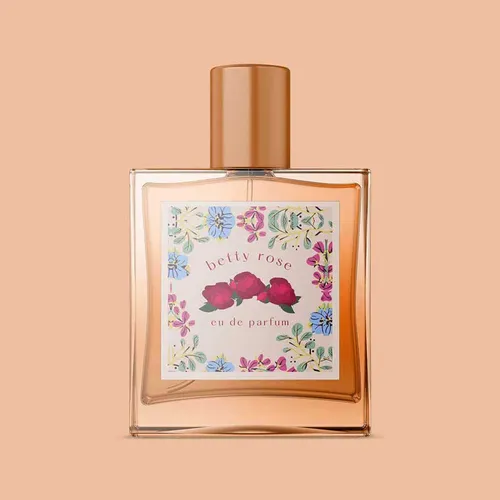

There is an online version of your label which meets all your criteria, it looks good with appropriate colours, proper balance and easy-to-read font. It took some time to create, perhaps you even made a test print of it using your personal printer. Whether you are ordering custom stickers in Adelaide or anywhere else in Australia, when you move on to making the real product and applying the label, somehow things change from the screen version.
It might not be drastic, but you can see a difference, either it’s a finish that does not look as expensive as anticipated, a label that peels off at a corner after being in the refrigerator for a week, or text which becomes less legible after seeing the printout. These are common frustrations for anyone sourcing custom stickers in Adelaide, and they usually come down to the gap between screen previews and real-world print conditions.
In any case, these factors taken together result in the final product that is not completely in line with your expectations.
Adelaide has a strong base of small producers right now, food brands, skin care lines, wine producers, craft breweries, and distilleries making whisky and gin. A lot of them run into the same issues when they move from testing to selling. Here is what actually changes, and what to sort out before it becomes a problem.
The prototype stage lets you get away with things the shelf won’t
When you are testing a product, the label is almost beside the point. You are checking the formula, the packaging fit, and the price point. A rough label does the job for that stage.
The shelf is an entirely new environment. The retailers have their expectations. Consumers make split-second judgments based on visual cues. A label design that seemed fine in prototype settings suddenly looks odd once it is placed among other goods on the shelf.
Gloss finishes tend to make colours look richer and more saturated. Matte finishes can make the same artwork look flatter, sometimes in a way that reads as premium, sometimes in a way that just looks dull. You don’t always know which until you see a physical print. That’s why ordering a sample before committing to a full run is worth the small extra cost.
Material decisions that didn’t matter in testing start to matter a lot
A paper label on a prototype sitting on your desk tells you almost nothing about how it will perform in the real world.
Paper works well in dry, stable conditions. It is affordable and prints cleanly. Put it on a product that goes into a fridge, gets handled repeatedly at a market stall, or sits in a bathroom cabinet with changing humidity, and the problems start quickly. Edges lift. The surface goes soft. The label starts to look worn before the product is anywhere near finished.
Polypropylene handles those conditions far better. It resists moisture, doesn’t tear easily, and holds colour well over time. For Adelaide food producers supplying delis or grocers, or personal care brands whose products live in bathrooms, it is a more reliable choice than paper. Polyester goes further, resisting heat and chemicals, and works well for products in tougher environments.
The glue is important as well, and this is one of the aspects that tend to be ignored by many people. Ordinary permanent glue is usually good for most situations. In the event that your product is going to go in the freezer or the cooled display case, then you have to use a freezer-grade glue. Ordinary glue will not work in such situations. The process of using the correct glue before printing is much easier than having to repair mistakes afterwards.
Compliance requirements become non-negotiable once you’re selling
In the prototype stage, nobody is checking your label against a regulatory standard. Once you start selling, that changes.
South Australian food producers selling packaged goods need to meet the Australia New Zealand Food Standards Code, managed by Food Standards Australia New Zealand (FSANZ). That covers ingredient lists, allergen declarations, country of origin statements, and nutritional information panels. Each of those has its own formatting requirements, including minimum text sizes.
Cosmetics and toiletries adhere to the regulations set forth by the Australian Industrial Chemicals Introduction Scheme (AICIS), and INCI names are used for ingredient listings. Health and dietary supplements are governed by the Therapeutic Goods Administration, with labelling requirements of their own.
Getting these details right before a large print run is far easier than correcting them after. Check the relevant standard for your product category before the artwork is finalised.
LabEX handles the ordering side online
LabEX is a fully online, self-service platform. You get an instant quote, upload your artwork, and place your order through the website. No calls, no waiting, no guessing on pricing or lead times. For Adelaide businesses working to a market date or a wholesale deadline, that process is worth a lot.
So, what actually changes?
Going from prototype to shelf means your label stops being an internal reference and starts doing real work. The material, the finish, the adhesive, the compliance text, the size at print scale, all of it matters in a way it simply didn’t before. Sort those decisions out early, and the rest of the process tends to go smoothly.