
In an era of constant engagement, the user experience is no longer just about ease of use but more about emotional resonance. Traditional utility apps are facing a retention crisis. This is because user attention spans have become the most valuable global currency.
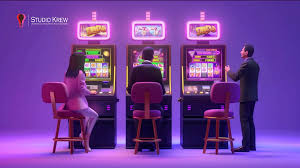
Casinos have spent decades perfecting the anticipation-reward cycle that hooks players. Developers are now forced to draw inspiration from high-engagement models such as live dealer shows. In their evolution, apps are not tricking users but are rather optimizing for neuro-chemistry to ensure that healthy habits like saving and exercising are as attractive as a spin on a digital wheel.
So, what are some of the borrowed mechanics?
Live Social Synchronization
In the online casino industry, Evolution Gaming pioneered the live host who interacts with players in real time. This live croupier is not only a dealer, but also an entertainer who builds a community feel by mentioning player names, celebrating wins with all players, and explaining game mechanics to new players. This makes the experience feel like a shared event.
Social commerce apps are now integrating live stream shopping. Unlike in-game shows, their hosts demonstrate product features and how they function, including their unique selling points. They then offer flash deals to thousands of synchronized viewers. This replicates the high-energy atmosphere of game shows that customers would not want to miss out.
Whatnot is a good case study, as the brand hosts a live-streamed auction marketplace for collectibles. Sellers go live and run fast-paced 15-second auctions. They interact in the live chat to show off the item being sold from every angle and hype up the bids. Their app uses a rip and ship format, where users buy a pack of cards and the host opens it live. The interesting aspect is that the win is shared with the entire chat room. This mirrors the community celebration of bonus rounds in casinos.
The Variable Reward Loop
When analyzing the peak of interactive UI, we look at the latest high-concurrency live show titles. When you play Funky Time here, you discover a 64-segment wheel. The player does not know whether they will land on a standard number, a ‘stayin’ alive’ bonus or a ‘disco’ multiplier. This uncertainty triggers a higher dopamine release than typical fixed rewards.
Similarly, e-commerce and delivery apps are replacing their static ‘10% off’ banners with mystery scratch cards or randomized discounts. With the unpredictability of rewards, apps increase the open rate of their promotions to mimic the anticipation of a slot spin. A good example is Google Pay’s reward strategy. After a user completes a peer-to-peer transaction, they frequently receive a digital scratch card reward. The card may contain a significant cash reward, a small discount for a partner brand or even a ‘better luck next time.’
Visual & Haptic Euphoria
When a player hits a multiplier in a slot machine, the screen often explodes with different aesthetics, upbeat music, or unique lights. This sensory celebration is used to reinforce the win. Productivity and fitness apps are now using micro-animations and haptics. When you complete a task or a to-do list or hit a step goal, the device vibrates and there is digital confetti all over the screen. These small wins make even the mundane tasks feel rewarding.
Duolingo is the gold standard for using sensory euphoria to drive daily active usage. When you finish a lesson, the app’s mascot cheers while explosions fill the screen. If you extend your daily streak, the phone delivers a specific weighted haptic vibration. This animation is timed perfectly and gives users a genuine sense of accomplishment for what was essentially a two-minute vocabulary quiz.
Milestone Progression
Many casino games feature bonus rounds that feel like a separate level. It makes players anticipate a bonus, which keeps them engaged for longer sessions. Apps are also using progress bars and streaks. It turns a long-term goal into a series of short-term bonus rounds that provide a constant sense of forward motion.
Starbucks reward program is a prime example. It features a three-tier system, including green, gold, and reserve. Users do not merely earn stars but progress through these tiers based on their annual spend and engagement. Its reserve tier is equivalent to a casino VIP level. It unlocks a secret menu, exclusive physical merchandise and even high-stakes global coffee experiences.
Low-Latency Interaction
In live casino sessions, players can place bets or make choices right up until the last second. Sub-second latency adoption is vital to ensure the user feels that their choice directly impacted the outcome. Similarly, fintech and trading apps have adopted instant action UIs. From a one-tap stock buy to a realtime auction bid, the tech must be as responsive as a casino interface. This often creates a flow state where the user feels fully immersed in the digital environment with zero technical friction.
High-frequency trading apps like Robinhood and lightning-deal platforms like Flash-Retail adopt this precision. When markets are highly volatile, the stock prices or availability of limited drop items change every millisecond. These apps use high-refresh rates in their live price feeds. The buy button is always instantaneous since a half-second delay could mean the user misses the display price.
Conclusion
The dopamine economy is the new baseline. In the next decade, app users will not be aiming to use software but to enter an ecosystem. Successful developers must change their orientation from buttons and menus to providing scenes and rewards. However, a fine line should be drawn between engagement and exploitation. There is a need for future-proofing means for these mechanics to drive positive outcomes.